
 USA & CAN:
  MX:
MX: 

Partial Hip Replacement in Mexico
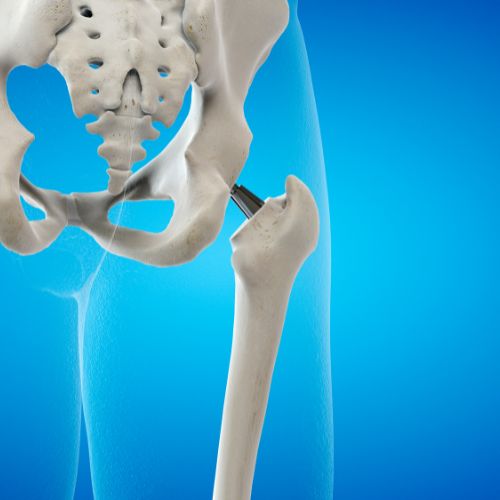
Partial Hip Replacement, also known as hemiarthroplasty, is a surgical procedure in which only the damaged part of the hip joint — typically the femoral head (ball) — is replaced with a prosthetic implant. It is most commonly performed for certain types of hip fractures, especially in older adults, or when only one part of the joint is affected by disease or injury.
At My Medical Vacations, we coordinate high-quality hip procedures in Cancun, working with experienced orthopedic surgeons and providing complete support for international patients seeking safe and effective care.
What Is Partial Hip Replacement?
Unlike a Total Hip Replacement, which replaces both the ball and socket of the joint, a Partial Hip Replacement replaces only the femoral head. The socket (acetabulum) is left intact if it is healthy and undamaged.
This procedure is typically indicated for:
It is considered less invasive than total hip replacement and may result in quicker surgery, less blood loss, and a shorter recovery in appropriate patients.
Who Is a Candidate?
You may be a candidate for partial hip replacement if:
This procedure is often recommended for elderly patients with mobility limitations or multiple health conditions.
How the Procedure Works
Surgery duration: 1 to 2 hours
Anesthesia: General or spinal anesthesia
Hospital stay: 1 to 3 nights depending on condition
Surgical Steps
- An incision is made over the hip joint.
- The damaged femoral head is removed.
- A prosthetic ball and stem are implanted into the thighbone (femur).
- The hip joint is tested for alignment and mobility.
- The incision is closed and bandaged.
Mobilization typically begins within the first 24–48 hours after surgery to reduce the risk of complications and support healing.
Recovery Timeline
| Phase | Timeframe | Recovery Milestones |
| Hospital Stay | Days 1–3 | Walking with assistance, pain control, initial mobility |
| Early Recovery | Weeks 1–4 | Increased walking distance, basic physical therapy |
| Rehabilitation | Months 1–3 | Return to independent activities, improved strength |
| Full Recovery | 3–6 months | Return to normal function and low-impact activities |
International patients are typically cleared to return home 10 to 14 days after surgery, depending on progress and clearance from the surgical team.
Benefits of Partial Hip Replacement
-
- Shorter surgery and hospital stay (in select patients)
- Lower blood loss and reduced risk of complications
- Preservation of healthy bone and joint structures
- Faster return to basic mobility for many older adults
- Effective pain relief after hip fracture or damage
This procedure offers a reliable solution for restoring movement and relieving pain in cases where a full replacement is not necessary.
Risks and Considerations
As with any joint surgery, risks include:
- Infection
- Blood clots (DVT or pulmonary embolism)
- Dislocation of the prosthetic joint
- Leg length discrepancy
- Loosening or wear of the implant over time
- Possibility of needing a total hip replacement later if the socket deteriorates
An experienced surgical team and appropriate rehabilitation are essential to minimizing complications and achieving long-term success.
What’s Included in a Partial Hip Replacement Package in Mexico
With My Medical Vacations, patients receive complete care coordination, including:
- Pre-surgical orthopedic evaluation and imaging review
- Partial hip replacement surgery with expert orthopedic surgeons
- Hospital stay and anesthesia
- Post-operative care and medications
- Initial physical therapy support
- Transportation (airport, hotel, clinic) and recovery lodging assistance
- English-speaking medical coordination team
Questions to Ask Before Surgery
- Is partial hip replacement appropriate for my specific condition?
- What type of implant will be used?
- How long will the prosthesis last?
- When can I walk or travel after surgery?
- What post-operative care or physical therapy will I need?
- Could I need a full hip replacement in the future?
Trusted Medical Sources
This information is based on data and recommendations from:
- American Academy of Orthopaedic Surgeons (AAOS)
- Mayo Clinic
- Cleveland Clinic
- National Institutes of Health (NIH)
- Johns Hopkins Medicine