
 USA & CAN:
  MX:
MX: 

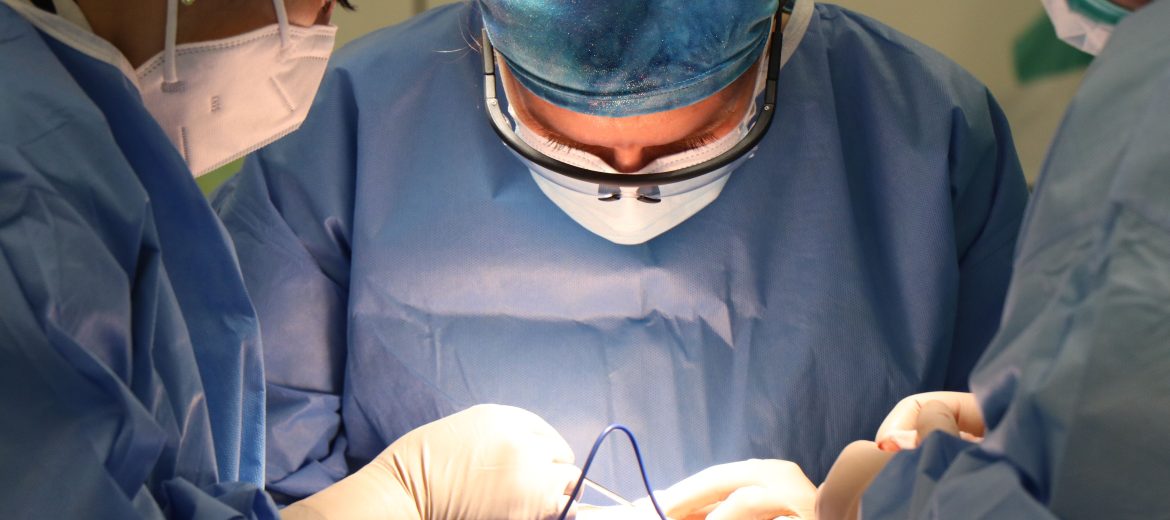
Surgery in Mexico can be as safe as surgery at home, and it can be considerably less safe. The difference is not the country. It is the specific surgeon, the specific facility, and whether the patient was an appropriate candidate.
That is not a comforting answer, but it is the accurate one, and it is more useful than reassurance.
Most patients researching this question have already read marketing pages claiming world-class care and forum posts describing disasters. Both exist. This article explains what actually determines which experience a patient has, what genuinely goes wrong, and what you can control.
What the Real Risks Are
Surgical risk exists everywhere
Every operation carries risk of infection, bleeding, adverse anesthesia reaction, blood clots, and poor healing. These risks exist in the best hospitals in the United States and Canada. They are not created by crossing a border.
Risks specific to medical travel
Certain risks are genuinely amplified by traveling:
- Blood clots. Surgery raises clot risk. Prolonged sitting on a flight raises clot risk. Combining them without adequate recovery time compounds the danger.
- Distance from your surgical team. If a problem develops in week three, your surgeon is not nearby.
- Fragmented follow-up. Care is split between a team that performed the surgery and providers at home who did not.
- Compressed timelines. Patients trying to fit treatment into limited time away sometimes accept schedules that are clinically unwise.
- Reduced ability to verify. You cannot rely on local reputation, your physician’s referral network, or word of mouth from people you know.
- Communication gaps. Clinical nuance can be lost when language support is inadequate.
What Actually Goes Wrong: The Patterns
Reviewing where medical travel goes badly, the same patterns recur. Almost none of them are random.
Inadequate provider verification
The patient chose based on price and marketing, without confirming the surgeon’s license, specialty certification, or the facility’s capabilities. This is the single most common factor.
Procedures performed outside appropriate facilities
Major surgery under general anesthesia performed in a setting without intensive care capability. When a serious complication occurs, the facility cannot manage it.
Poor patient selection
A patient with uncontrolled diabetes, unstable cardiac disease, or a significant clotting history who was operated on anyway. A clinic willing to operate on a patient who should not have surgery is the clearest warning sign in this industry.
Incomplete medical disclosure
The patient did not disclose a condition, a medication, or a habit such as smoking. The surgical plan was built on incomplete information.
Flying too early
The patient booked a non-changeable ticket, was not cleared, and flew anyway. This is a preventable category of harm.
No follow-up plan
The patient returned home with no local provider identified and, often, without complete records. A manageable issue became a difficult one.
Compressed timelines
Attempting to complete in one trip what clinically requires two, particularly in implant dentistry.
Unrealistic expectations
Particularly in cosmetic surgery, where the patient’s dissatisfaction was not a complication but a mismatch between expectation and what was ever achievable.
Read that list again. Nearly every item is something the patient or the provider could have controlled.
What Genuinely Improves Safety
Verify the surgeon
Request the cédula profesional, Mexico’s national professional license number, and verify it through the Registro Nacional de Profesionistas, which is public and free.
Confirm specialty board certification with the relevant Mexican specialty council. A general license is not specialty training.
Ask how many of your specific procedure the surgeon performs annually.
Verify the facility
Ask where the procedure takes place and whether it is a hospital, a surgical center, or an office suite. For anything under general anesthesia, ask whether there is an intensive care unit.
Ask what accreditation the facility holds. Joint Commission International is the most widely recognized international standard.
Confirm the anesthesiologist
Ask whether a board-certified anesthesiologist will be present for the entire procedure. This question is skipped more often than any other and matters enormously.
Disclose everything
Complete medical history, all medications and supplements, smoking, alcohol, prior surgeries, and prior anesthesia reactions. Omissions create genuine surgical risk and can void complication coverage.
Complete required clearance
If cardiac clearance, laboratory work, or physician sign-off is required, complete it before travel.
Respect the timeline
Do not compress a two-trip case into one. Do not book a non-changeable return ticket. Flight clearance is a medical decision.
Arrange follow-up before you go
Identify a local provider willing to handle routine post-operative care, and leave with complete records including implant specifications.
Travel with a companion
For any procedure under general anesthesia.
Warning Signs That Should Stop You
- Refusal or reluctance to provide a license number
- Inability or unwillingness to name the specific facility
- A quoted price before anyone has reviewed your medical records
- Pressure to decide quickly, or a limited-time discount on surgery
- A guaranteed result
- Willingness to operate without required medical clearance
- No written treatment plan
- No clear answer about who pays if a complication occurs
- A single-week timeline for a case that clinically requires healing between stages
- Willingness to proceed despite a condition that should disqualify you
That last one deserves emphasis. A clinic that tells you yes when a responsible provider would say no is not doing you a favor.
Where Medical Travel Can Be Safer Than Staying Home
This is rarely discussed, so it is worth stating.
Complication coverage exists
For eligible procedures, coverage is available that pays toward extended stays, revision care, changed flights, and additional hotel nights. For elective procedures in the United States, comparable coverage is generally not offered at all.
Treatment happens sooner
A patient waiting a year for joint replacement is not risk-free during that year. Deconditioning, reduced mobility, falls, and prolonged pain medication use carry their own consequences.
Care is coordinated
Specialists who would take months to assemble at home are coordinated in advance.
Recovery is uninterrupted
Patients recovering abroad are away from work and household demands, which sometimes produces better compliance with post-operative restrictions than recovering at home does.
None of this means travel is automatically safer. It means the comparison is not one-sided.
Who Should Not Travel for Surgery
An honest safety article has to include this.
Medical travel is generally not appropriate for patients with:
- Active infection with fever or significant swelling, which requires immediate local treatment
- Unstable cardiac disease
- Uncontrolled diabetes
- An active clotting disorder or significant history of blood clots
- Severe respiratory disease
- A history of serious anesthesia complications
- Conditions requiring intensive monitoring that cannot be arranged near home
- An inability to travel with a companion for a procedure under general anesthesia
- An inability to take the full recovery period away from obligations
- An inability to arrange follow-up care at home
- A deadline driving the decision, such as an event or a date
- An expectation of a guaranteed outcome
We turn patients away for these reasons. A coordinator who never does is not one to trust.
How to Read What You Find Online
Marketing pages describe the best case. They are not lying, but they are not representative of the range of outcomes either.
Forum posts and horror stories describe the worst case and are heavily skewed. People who have an uneventful recovery rarely post about it.
What is more useful: patterns across many reviews on multiple platforms, how providers respond to criticism, whether a source discusses risks and limitations at all, and whether specific verifiable claims are made rather than general assurances.
A source that only tells you it is safe is less trustworthy than one that tells you under what conditions it is not.
Frequently Asked Questions
Is surgery in Mexico safe?
It can be, and it can also not be. Safety is determined by the specific surgeon’s qualifications, the facility’s capabilities, and whether the patient is an appropriate candidate. Verify all three rather than relying on generalizations about the country.
Are Mexican surgeons qualified?
Qualification varies by individual, as it does everywhere. Many surgeons serving international patients hold specialty board certification and trained in part abroad. Verify the specific surgeon’s cédula profesional and specialty certification.
What goes wrong most often?
The recurring patterns are inadequate provider verification, procedures performed in facilities without appropriate emergency capability, poor patient selection, incomplete medical disclosure, flying before clearance, and no follow-up plan. Nearly all are preventable.
Are the materials and implants the same?
Reputable clinics use the same internationally distributed implant systems and pharmaceutical manufacturers. Ask by name, and confirm international distribution so the device can be serviced anywhere later.
What is the biggest single risk?
Blood clots, particularly for lower limb orthopedic and abdominal surgery combined with air travel. This is why flight clearance is a medical decision and why you should never book a non-changeable return.
How do I check a surgeon’s license?
Search the cédula profesional through the Registro Nacional de Profesionistas, which is public and free. Then confirm specialty certification with the relevant Mexican specialty council.
What if a complication happens?
Ask every provider before committing, and get the answer in writing. For eligible procedures, complication coverage is available that pays toward extended stays, revision care, changed flights, and additional accommodation up to a defined limit.
Should I believe the horror stories I read online?
Read them for patterns rather than for verdicts. Many describe genuine failures, and most involve one or more of the preventable factors listed above. Ask what the patient did or did not verify beforehand.
Is dental work safer than surgery?
Generally lower risk, because most dental procedures do not involve general anesthesia. The verification principles are identical.
Does complication coverage make it safe?
No. Coverage is a financial safeguard, not a clinical one. Verification, appropriate facility selection, honest disclosure, and following medical instructions are what affect safety.
Key Takeaways
- Safety is determined by the specific surgeon, the facility, and patient selection, not by the country
- Surgical risk exists everywhere; medical travel amplifies clot risk, distance from your team, and follow-up fragmentation
- The recurring failure patterns are almost entirely preventable
- Verify the cédula profesional, specialty certification, facility capability, and the anesthesiologist
- Disclose your complete medical history, since omissions create real risk
- Never compress a two-trip case or book a non-changeable return ticket
- Arrange follow-up at home before you travel
- A clinic willing to operate on a patient who should be declined is the clearest warning sign in the industry
- Read marketing and horror stories both as skewed samples, and look for patterns instead
Ready to Explore Your Healthcare Options in Mexico?
At My Medical Vacations, we help Canadian and American patients connect with trusted healthcare providers throughout Mexico. Our team assists with provider selection, treatment coordination, travel planning, and personalized support designed to make your medical journey as smooth and stress-free as possible.
We will give you the treating provider’s name, credentials, and facility, and we encourage you to verify every one of them yourself. If your medical history means you should be treated close to home, we will tell you that.
Contact My Medical Vacations today to learn more about your treatment options and begin planning your healthcare journey.
Phone (U.S. & Canada): +1 972-662-8688
Email: info@mymedicalvacations.com
Website: www.mymedicalvacations.com
Instagram: @mymedicalvacations
Facebook: My Medical Vacations
My Medical Vacations — Trusted Medical Travel, Personalized Care, Exceptional Results.

